

What is the difference between a single - shaft and a double - shaft rewinding machine?
Leave a message

As a seasoned supplier of rewinding machines, I often encounter inquiries from customers about the differences between single - shaft and double - shaft rewinding machines. In this blog post, I'll delve into the nuances of these two types of machines, exploring their features, advantages, and suitable applications.
1. Basic Structure and Working Principle
Single - Shaft Rewinding Machine
A single - shaft rewinding machine, as the name implies, has a single rewinding shaft. This shaft is responsible for winding the material onto a roll. The material, such as paper, film, or fabric, is fed from an unwinding station to the rewinding shaft. The tension control system ensures that the material is wound evenly onto the shaft.
The working process is relatively straightforward. The material is pulled from the source, passes through a series of guide rollers, and then is wound around the single shaft. This simplicity in design makes it easy to operate and maintain. For example, in a small - scale paper production workshop, a single - shaft rewinding machine can be used to rewind small rolls of paper efficiently.
Double - Shaft Rewinding Machine
A double - shaft rewinding machine features two rewinding shafts. These shafts can work independently or in tandem, depending on the requirements of the production process. When one shaft is full, the machine can automatically switch to the other shaft, allowing for continuous production without the need to stop the machine to change the roll.
The double - shaft design also enables more complex winding patterns. For instance, it can be used to create dual - layer or multi - layer rolls. The material is fed through a more elaborate system of guide rollers and tension control devices to ensure proper winding on both shafts.
2. Advantages of Single - Shaft Rewinding Machines
Cost - Effective
Single - shaft rewinding machines are generally more affordable than their double - shaft counterparts. This makes them an ideal choice for small businesses or startups with limited budgets. The lower cost of purchase also means lower maintenance costs, as there are fewer components to maintain.
Space - Saving
Due to their simpler design, single - shaft rewinding machines take up less floor space in a production facility. This is particularly beneficial for small workshops where space is at a premium. For example, a small printing shop can install a single - shaft rewinding machine in a corner of the room without disrupting the overall workflow.
Ease of Use
Single - shaft rewinding machines are relatively easy to operate. They have fewer controls and settings, making them suitable for operators with limited technical skills. Training new operators on a single - shaft machine is also quicker and more straightforward.
3. Advantages of Double - Shaft Rewinding Machines
High - Speed Production
One of the most significant advantages of double - shaft rewinding machines is their ability to achieve high - speed production. The automatic roll - changing feature allows for continuous operation, reducing downtime and increasing overall productivity. In large - scale manufacturing plants, double - shaft machines can significantly boost the output of rolls.
Versatility
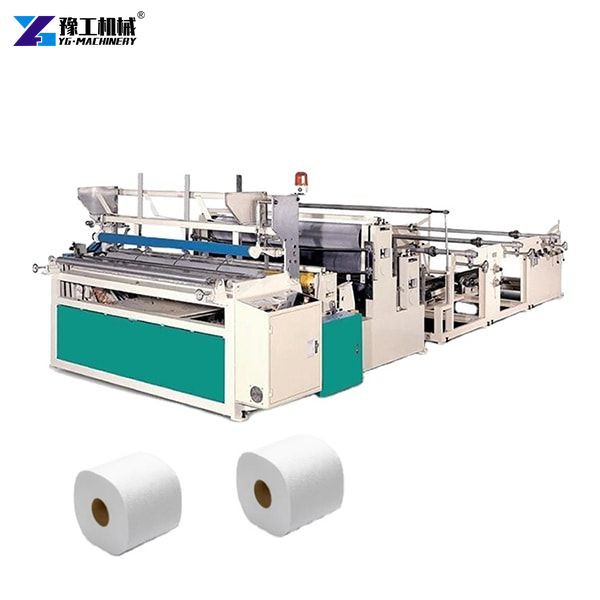
Double - shaft rewinding machines are more versatile in terms of the types of rolls they can produce. They can create rolls of different sizes, thicknesses, and winding patterns. For example, they can be used to produce both single - layer and multi - layer rolls of toilet paper. You can learn more about the Toilet Paper Rewinding Machine on our website.
Quality Control
The double - shaft design provides better control over the winding process, resulting in higher - quality rolls. The tension control system can be more precisely adjusted on each shaft, ensuring that the material is wound evenly and tightly. This is crucial for applications where the quality of the roll is of utmost importance, such as in the production of high - grade paper or film.
4. Suitable Applications
Single - Shaft Rewinding Machine Applications
- Small - Scale Production: Ideal for small businesses or workshops that produce limited quantities of rolls. For example, a local packaging company may use a single - shaft rewinding machine to rewind small rolls of packaging film.
- Prototype Production: When developing new products or prototypes, a single - shaft rewinding machine can be used to quickly produce small test rolls. This allows for cost - effective experimentation and product development.
- Simple Winding Requirements: For applications where the winding pattern is relatively simple, such as winding single - layer paper rolls, a single - shaft machine is sufficient. You can explore our Paper Roll Rewinding Machine for more details.
Double - Shaft Rewinding Machine Applications
- Large - Scale Manufacturing: In industries such as paper, film, and textile manufacturing, double - shaft rewinding machines are commonly used for high - volume production. They can handle large rolls and produce them at a fast pace.
- Complex Winding Patterns: Applications that require complex winding patterns, such as the production of multi - layer rolls or rolls with different tension levels, are well - suited for double - shaft machines.
- Continuous Production Processes: Double - shaft machines are essential for continuous production processes where downtime is not acceptable. For example, in a 24/7 manufacturing plant, the automatic roll - changing feature ensures that production can continue without interruption. You can find more information about our Roll To Roll Rewinding Machine on our website.
5. Considerations When Choosing Between Single - Shaft and Double - Shaft Rewinding Machines
Production Volume
If your production volume is low, a single - shaft rewinding machine may be sufficient. However, if you plan to increase your production volume in the future or currently have high - volume production requirements, a double - shaft machine is a better choice.
Budget
Your budget will also play a significant role in your decision. If you have a limited budget, a single - shaft machine is more cost - effective. However, if you can afford the higher upfront cost, a double - shaft machine can provide long - term benefits in terms of productivity and quality.
Product Requirements
Consider the type of rolls you need to produce. If you require simple, single - layer rolls, a single - shaft machine may be adequate. But if you need complex winding patterns or multi - layer rolls, a double - shaft machine is necessary.

6. Conclusion
In conclusion, both single - shaft and double - shaft rewinding machines have their own unique features and advantages. The choice between the two depends on various factors such as production volume, budget, and product requirements. As a rewinding machine supplier, we understand the importance of choosing the right machine for your business. We offer a wide range of single - shaft and double - shaft rewinding machines to meet the diverse needs of our customers.
If you are interested in learning more about our rewinding machines or have any questions about which type of machine is suitable for your application, please feel free to contact us. Our team of experts is ready to assist you in making the right decision. We look forward to the opportunity to work with you and help you enhance your production processes.
References
- "Rewinding Machine Technology and Applications" - Industry Research Report
- "Comparative Study of Single - Shaft and Double - Shaft Rewinding Machines" - Journal of Manufacturing Engineering


