

What are the technical parameters of a tissue paper machine?
Leave a message

Hey there! As a supplier of tissue paper machines, I'm here to give you the lowdown on the technical parameters that matter. Whether you're looking to start a small - scale tissue production or a large - scale operation, understanding these parameters is key to making the right choice.
Production Capacity
One of the most crucial technical parameters is production capacity. It's measured in tons per day or kilograms per hour. For a small - scale business, a machine with a production capacity of around 1 - 5 tons per day might be sufficient. Our Small Toilet Paper Making Machine is a great option for those just starting out. It can produce at a relatively lower volume but with high efficiency, allowing you to meet the local market demand without over - investing.
On the other hand, if you're aiming for a large - scale production, you'll need a machine with a capacity of 10 tons per day or more. These high - capacity machines are designed to work continuously, 24/7 in some cases, to keep up with the large - scale demand from supermarkets, hotels, and other big customers.
Paper Width
The paper width is another important factor. It determines the size of the tissue paper rolls or sheets that the machine can produce. Common paper widths range from 1.5 meters to 5 meters. A narrower width might be suitable for products like facial tissues or small - sized napkins. Our Facial Tissue Making Machine can handle different narrow widths to produce those soft and convenient facial tissues that we all use daily.
For toilet paper rolls, a wider width can be more efficient as it can produce longer rolls with fewer seams. A wider width also means that the machine can produce more tissue paper in one go, increasing the overall production efficiency.
Speed of the Machine
The speed of the tissue paper machine is measured in meters per minute. A higher speed generally means higher production capacity, but it also requires more advanced technology and better quality control. For small - scale machines, a speed of 100 - 300 meters per minute might be enough. These machines are easier to operate and maintain, making them a good choice for new entrepreneurs.
In large - scale production, machines can reach speeds of 500 meters per minute or more. However, running the machine at such high speeds requires a stable power supply, high - quality raw materials, and skilled operators to ensure that the quality of the tissue paper is not compromised.
Raw Material Requirements
The type and quality of raw materials that the machine can handle are also important technical parameters. Most tissue paper machines can work with virgin pulp, recycled pulp, or a combination of both. Virgin pulp produces high - quality, soft, and strong tissue paper, but it's more expensive. Recycled pulp, on the other hand, is more environmentally friendly and cost - effective.
Our machines are designed to be flexible in terms of raw material usage. They can adjust to different pulp consistencies and qualities, allowing you to choose the raw material that best suits your budget and market demand.
Energy Consumption
Energy consumption is a significant cost factor in tissue paper production. A good tissue paper machine should be energy - efficient. Modern machines use advanced technologies such as steam recycling and energy - saving motors to reduce energy consumption. For example, some machines can recover up to 80% of the steam used in the drying process, which not only saves energy but also reduces the production cost.
When choosing a machine, you should look at the energy consumption per ton of tissue paper produced. A lower energy consumption means lower operating costs in the long run.
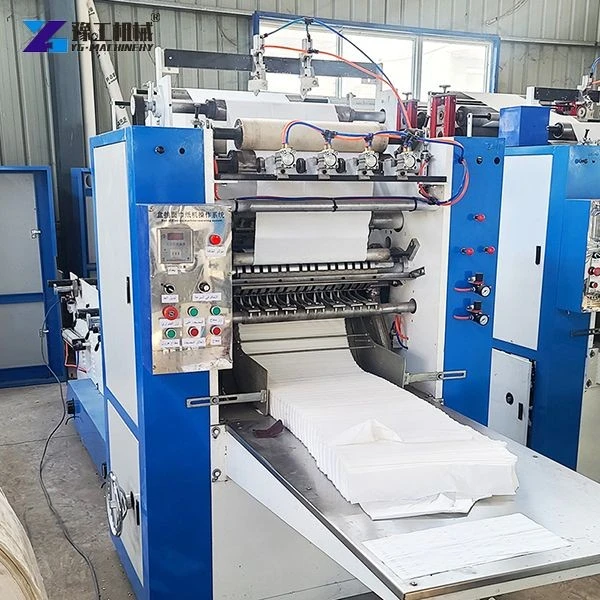

Automation Level
The automation level of the machine can greatly affect the production efficiency and labor cost. There are different levels of automation, from semi - automatic to fully automatic. Semi - automatic machines require some manual intervention, such as loading the raw materials or removing the finished products. They are more suitable for small - scale production where the labor cost is relatively low.
Fully automatic machines, on the other hand, can perform all the processes from raw material feeding to finished product packaging without much human intervention. Our Paper Napkin Making Machine comes in both semi - automatic and fully automatic versions, giving you the flexibility to choose according to your production needs.
Quality Control Parameters
To ensure the quality of the tissue paper, there are several quality control parameters. These include the basis weight (grams per square meter), the softness, the strength, and the absorbency of the tissue paper. The machine should be able to produce tissue paper within the specified range of these parameters.
For example, facial tissues need to be very soft and have good absorbency, while toilet paper needs to be strong enough not to break easily. Our machines are equipped with sensors and control systems to monitor and adjust these quality control parameters in real - time, ensuring that every roll or sheet of tissue paper meets the required standards.
Maintenance Requirements
Maintenance is an important aspect of owning a tissue paper machine. A machine with simple maintenance requirements can save you a lot of time and money. Look for machines that have easily accessible parts and clear maintenance instructions. Regular maintenance, such as cleaning, lubricating, and replacing worn - out parts, can extend the lifespan of the machine and ensure its stable operation.
We provide comprehensive after - sales service, including maintenance training and spare parts supply, to help you keep your machine in good condition.
Noise Level
The noise level of the machine is also a consideration, especially if the production facility is located in a residential area or near other businesses. Modern tissue paper machines are designed to operate quietly, with noise levels below 80 decibels. This not only creates a more comfortable working environment for the operators but also reduces the impact on the surrounding area.
In conclusion, when you're in the market for a tissue paper machine, these technical parameters are what you should be looking at. They will determine the performance, efficiency, and cost - effectiveness of your tissue paper production. If you have any questions about which machine is right for you or want to learn more about our products, don't hesitate to get in touch. We're here to help you make the best choice for your business and ensure your success in the tissue paper industry.
References
- Smith, J. (2020). Tissue Paper Production Technology. Paper Industry Press.
- Johnson, A. (2019). Energy - Efficient Paper Making Machines. Green Technology Journal.


