

How to adjust the slitting blade in a paper slitter rewinder?
Leave a message

Hey there! As a supplier of paper slitter rewinders, I know how crucial it is to have the slitting blades adjusted properly. A well - adjusted slitting blade can make a huge difference in the quality of your paper products and the overall efficiency of your production line. So, let's dive into how you can adjust the slitting blade in a paper slitter rewinder.
Understanding the Basics of Slitting Blades
First things first, we need to understand what slitting blades are and what they do. Slitting blades are the cutting tools in a paper slitter rewinder. They're responsible for cutting large paper rolls into smaller, more manageable widths. There are different types of slitting blades, such as circular blades, razor blades, and shear blades, each with its own unique features and applications.
Circular blades are commonly used for high - speed slitting operations. They're durable and can handle a variety of paper materials. Razor blades, on the other hand, are great for making clean, precise cuts, especially on thin paper. Shear blades work by a scissor - like action and are suitable for cutting thicker paper or materials with a higher tensile strength.
Pre - adjustment Checks
Before you start adjusting the slitting blade, there are a few checks you need to do. First, make sure the machine is turned off and unplugged to avoid any accidents. Check the blade for any signs of damage, such as chips, cracks, or excessive wear. A damaged blade won't cut properly and can also cause problems for the rest of the machine.
Inspect the blade holders and guides. They should be clean and free of any debris or buildup. If there's any dirt or paper dust in the holders, it can affect the blade's alignment and performance. You can use a clean, dry cloth to wipe them down.
Adjusting the Blade Position
The position of the slitting blade is key to getting accurate cuts. Most paper slitter rewinders have an adjustment mechanism that allows you to move the blade horizontally and vertically. To adjust the horizontal position, you'll usually find a screw or a lever on the side of the blade holder. Turning the screw or moving the lever will shift the blade left or right.
When adjusting the vertical position, you need to be extra careful. You want the blade to be at the right height so that it cuts through the paper evenly. Some machines have a digital readout or a scale that can help you set the correct height. If not, you may need to make some trial cuts and adjust the height accordingly.
Setting the Blade Pressure
Blade pressure is another important factor. If the pressure is too low, the blade won't cut through the paper properly, resulting in uneven cuts or paper that isn't fully severed. On the other hand, if the pressure is too high, it can cause excessive wear on the blade and may even damage the paper.
Most paper slitter rewinders have a pressure adjustment knob or valve. Start by setting the pressure at a low level and then make a test cut. Check the quality of the cut. If it's not clean, gradually increase the pressure until you get the desired results. Remember, different types of paper may require different blade pressures. For example, thick cardboard will need more pressure than thin tissue paper.
Blade Alignment
Proper blade alignment is essential for consistent and accurate cuts. To check the alignment, you can use a straightedge or a laser alignment tool. Place the straightedge along the edge of the blade and make sure it's perfectly straight. If the blade is misaligned, it can cause the paper to be cut at an angle, resulting in wasted material.
If you find that the blade is misaligned, you'll need to adjust the blade holder. This may involve loosening some screws, moving the holder into the correct position, and then tightening the screws again. It's a bit of a delicate process, so take your time and double - check the alignment after each adjustment.
Sharpening and Replacing Blades
Even with proper adjustment, slitting blades will eventually wear out. That's why it's important to know when to sharpen or replace them. You can tell that a blade needs sharpening when the cuts start to look rough or when the blade has to work harder to cut through the paper.
Sharpening a slitting blade can be done using a blade sharpener. There are different types of sharpeners available, depending on the type of blade you have. Make sure to follow the manufacturer's instructions when sharpening the blade to avoid damaging it.

If the blade is too worn or damaged to be sharpened, it's time to replace it. Replacing a blade is usually a straightforward process. Just make sure to use the correct replacement blade for your machine. You can usually find the specifications in the machine's manual.
Troubleshooting Common Blade Issues
Sometimes, even after proper adjustment, you may still encounter some issues with the slitting blade. One common problem is blade vibration. Blade vibration can cause uneven cuts and can also be a sign of a misaligned blade or a problem with the blade holder. To fix this, check the alignment again and make sure the blade is securely fastened in the holder.
Another issue is blade chatter, which is a rapid, high - frequency vibration. Blade chatter can be caused by a dull blade, incorrect blade pressure, or a problem with the machine's speed. Try sharpening the blade, adjusting the pressure, or changing the machine's speed to see if that resolves the issue.
Why Proper Blade Adjustment Matters
Proper blade adjustment isn't just about getting clean cuts. It also has a big impact on the efficiency of your production line. A well - adjusted blade will cut through the paper smoothly, reducing the chances of jams and breakdowns. This means less downtime and more productivity.
In addition, it can save you money in the long run. By getting the most out of your blades, you'll reduce the need for frequent replacements. And since high - quality cuts mean less wasted paper, you'll also save on raw materials.
Conclusion
Adjusting the slitting blade in a paper slitter rewinder is a skill that takes a bit of practice, but it's well worth the effort. By following these steps, you can ensure that your machine is cutting paper accurately and efficiently.
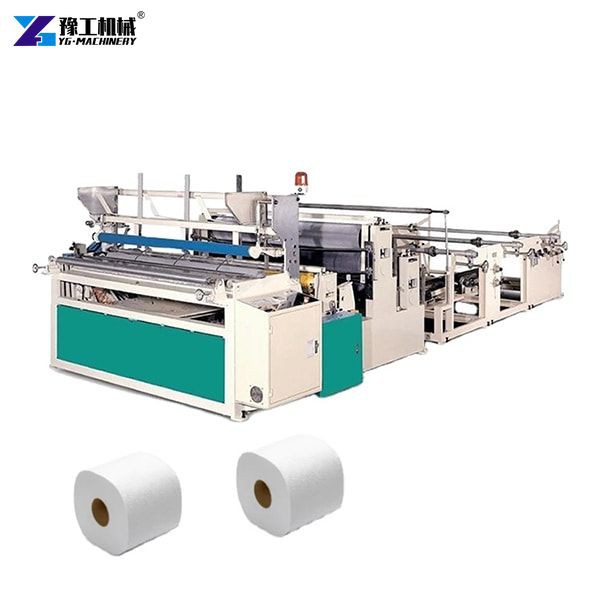
If you're in the market for a new Paper Rewinder, Toilet Paper Rewinding Machine, or Paper Roll Rewinding Machine, we've got you covered. We offer a wide range of high - quality paper slitter rewinders that are designed to meet your specific needs.
If you have any questions about our products or need more information on blade adjustment, don't hesitate to reach out. We're here to help you make the most of your paper processing operations. Let's start a conversation and see how we can work together to improve your production.
References
- Paper Processing Machinery Handbook
- Manufacturer's Manuals for Paper Slitter Rewinders


