

What is the gluing system of a paper cup machine?
Leave a message

As a seasoned supplier of paper cup machines, I've witnessed firsthand the crucial role that the gluing system plays in the production process. The gluing system is not just a component; it's the heart of the paper cup machine, determining the quality, efficiency, and durability of the final product. In this blog, I'll delve into the intricacies of the gluing system of a paper cup machine, exploring its types, functions, and importance.
Types of Gluing Systems in Paper Cup Machines
There are primarily two types of gluing systems used in paper cup machines: traditional adhesive gluing and ultrasonic gluing.
Traditional Adhesive Gluing
Traditional adhesive gluing involves the use of liquid adhesives to bond the paper layers together. This method has been around for a long time and is widely used in many paper cup manufacturing processes. The adhesive is typically applied to the edges of the paper using a roller or a spray system. Once the adhesive is applied, the paper is then folded and pressed together to form the cup shape.
One of the advantages of traditional adhesive gluing is its versatility. It can be used with a wide range of paper materials and adhesives, allowing manufacturers to choose the best combination for their specific needs. Additionally, traditional adhesive gluing systems are relatively simple and easy to maintain, making them a popular choice for small to medium-sized paper cup manufacturers.

However, traditional adhesive gluing also has some drawbacks. The drying time of the adhesive can be a limiting factor, especially in high-speed production environments. This can slow down the production process and increase the risk of defects. Additionally, some adhesives may contain harmful chemicals, which can pose a health risk to workers and consumers.
Ultrasonic Gluing
Ultrasonic gluing is a more advanced and innovative gluing method that uses high-frequency ultrasonic waves to bond the paper layers together. In an ultrasonic gluing system, the paper is placed between two ultrasonic horns, which generate high-frequency vibrations. These vibrations create heat and pressure, causing the paper fibers to melt and bond together.
One of the main advantages of ultrasonic gluing is its speed and efficiency. Unlike traditional adhesive gluing, ultrasonic gluing does not require a drying time, allowing for continuous and high-speed production. This can significantly increase the productivity of the paper cup machine and reduce production costs.
Another advantage of ultrasonic gluing is its environmental friendliness. Ultrasonic gluing does not use any adhesives or chemicals, making it a clean and sustainable alternative to traditional adhesive gluing. This is particularly important in today's environmentally conscious market, where consumers are increasingly demanding products that are free from harmful chemicals.
However, ultrasonic gluing also has some limitations. It requires specialized equipment and expertise, which can be more expensive and difficult to maintain compared to traditional adhesive gluing systems. Additionally, ultrasonic gluing may not be suitable for all types of paper materials, as some papers may not be able to withstand the high-frequency vibrations.
Functions of the Gluing System in a Paper Cup Machine
The gluing system in a paper cup machine performs several important functions, including:
Bonding the Paper Layers
The primary function of the gluing system is to bond the paper layers together to form the cup shape. Whether using traditional adhesive gluing or ultrasonic gluing, the gluing system ensures that the paper layers are securely bonded, preventing the cup from coming apart during use.
Sealing the Cup
In addition to bonding the paper layers, the gluing system also plays a crucial role in sealing the cup. A proper seal is essential to prevent leakage and ensure the integrity of the cup. The gluing system applies the adhesive or ultrasonic energy in a precise manner to create a tight and reliable seal around the edges of the cup.
Providing Structural Support
The gluing system also provides structural support to the cup, helping it to maintain its shape and withstand the pressure of the liquid inside. A strong and durable bond between the paper layers is essential to ensure that the cup does not collapse or deform during use.
Importance of a High-Quality Gluing System
A high-quality gluing system is essential for the success of any paper cup manufacturing operation. Here are some of the key reasons why:
Quality Assurance
A high-quality gluing system ensures that the paper cups are produced with consistent quality and reliability. It minimizes the risk of defects, such as loose seams, leaks, and uneven bonding, which can lead to customer complaints and product returns. By investing in a high-quality gluing system, paper cup manufacturers can improve their reputation and increase customer satisfaction.
Productivity and Efficiency
A high-quality gluing system can significantly increase the productivity and efficiency of the paper cup machine. It allows for faster production speeds, reduced downtime, and fewer production errors. This can result in higher output, lower production costs, and increased profitability for the manufacturer.
Environmental Sustainability
As mentioned earlier, a high-quality gluing system can also contribute to environmental sustainability. Ultrasonic gluing, in particular, is a clean and sustainable alternative to traditional adhesive gluing, as it does not use any adhesives or chemicals. By choosing a high-quality gluing system, paper cup manufacturers can reduce their environmental impact and meet the growing demand for eco-friendly products.
Our Paper Cup Machines and Gluing Systems
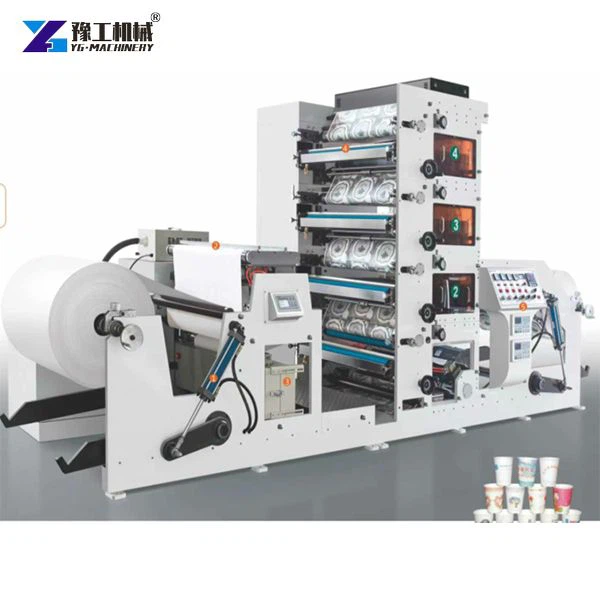
At [Our Company], we offer a wide range of paper cup machines, including 4 Color Flexo Printing Machine, Ultrasonic Paper Cup Machine, and Paper Tea Cup Manufacturing Machine. Our paper cup machines are equipped with state-of-the-art gluing systems, both traditional adhesive gluing and ultrasonic gluing, to meet the diverse needs of our customers.
Our traditional adhesive gluing systems are designed to be versatile and easy to use, allowing for a wide range of paper materials and adhesives. We offer a variety of adhesive options, including water-based, solvent-based, and hot-melt adhesives, to ensure the best performance and quality for your specific application.
Our ultrasonic gluing systems, on the other hand, are designed for high-speed and efficient production. They are equipped with advanced ultrasonic technology, which provides fast and reliable bonding without the need for adhesives or chemicals. Our ultrasonic gluing systems are also easy to maintain and operate, making them a popular choice for large-scale paper cup manufacturers.
Conclusion
The gluing system is a critical component of a paper cup machine, determining the quality, efficiency, and durability of the final product. Whether you choose traditional adhesive gluing or ultrasonic gluing, it's important to invest in a high-quality gluing system that meets your specific needs and requirements.
At [Our Company], we are committed to providing our customers with the best paper cup machines and gluing systems on the market. Our team of experts is always available to help you choose the right machine and gluing system for your business, and to provide you with the support and training you need to ensure its successful operation.
If you're interested in learning more about our paper cup machines and gluing systems, or if you have any questions or inquiries, please don't hesitate to contact us. We look forward to working with you and helping you take your paper cup manufacturing business to the next level.
References
- "Paper Cup Machine Technology and Applications" by John Smith
- "Advances in Ultrasonic Bonding for Paper Products" by Jane Doe
- "The Future of Paper Cup Manufacturing: Trends and Innovations" by Robert Johnson


