

What is the noise reduction measure for a paper slitter rewinder?
Leave a message

Hey there! As a supplier of paper slitter rewinders, I often get asked about noise reduction measures for these machines. It's a crucial topic, especially when you're running a paper processing business. No one wants a noisy workplace that can not only be a nuisance but also potentially harmful to the health of the workers. So, let's dive into what we can do to reduce the noise generated by paper slitter rewinders.
Understanding the Noise Sources
First things first, we need to know where the noise is coming from. Paper slitter rewinders have several components that can be the source of noise. The motors are a major culprit. These motors are responsible for powering the machine, and when they're running, they can produce a significant amount of noise. The cutting blades also make noise as they slice through the paper. The friction between the blades and the paper, along with the mechanical movement of the blade assembly, creates a sharp, high - pitched sound.
Another source is the rewinding mechanism. As the paper is wound onto the cores, there's a constant movement of rollers and belts. The tension and the contact between these moving parts generate noise. And let's not forget about the vibrations. Any machine with moving parts will vibrate, and these vibrations can be transmitted through the machine's frame and into the surrounding environment, amplifying the noise.
Enclosure Systems
One of the most effective ways to reduce noise is by using enclosure systems. An enclosure is basically a box - like structure that surrounds the paper slitter rewinder. It's made of materials that can absorb and block sound. For example, some enclosures are made of thick acoustic panels. These panels are designed to trap the sound waves inside and prevent them from escaping into the workspace.
Enclosures can be custom - built to fit the specific dimensions of your paper slitter rewinder. They usually have access doors and windows so that operators can still monitor and operate the machine. Some enclosures even come with ventilation systems to prevent overheating. When you install an enclosure, you can expect a significant reduction in the noise level, sometimes up to 20 - 30 decibels. That's a huge difference!
Vibration Isolation
As I mentioned earlier, vibrations are a major contributor to noise. So, we need to find ways to isolate these vibrations. One way is to use vibration - isolating mounts. These are special rubber or spring - based mounts that are placed between the machine and the floor. They absorb the vibrations and prevent them from being transmitted to the floor and the surrounding structures.
Another option is to use anti - vibration pads. These pads are placed under the feet of the machine. They work in a similar way to the mounts, but they're usually more cost - effective. By reducing the vibrations, you're not only reducing the noise but also extending the lifespan of the machine. Less vibration means less wear and tear on the moving parts.
Maintenance and Lubrication
Proper maintenance and lubrication are also key to noise reduction. A well - maintained paper slitter rewinder will run more smoothly and quietly. For example, if the cutting blades are dull, they'll require more force to cut through the paper. This extra force can lead to increased noise and vibration. So, make sure to regularly sharpen or replace the blades.
Lubrication is equally important. All the moving parts, like the bearings, gears, and rollers, need to be properly lubricated. Lubricants reduce friction between the parts, which in turn reduces noise and wear. Check the lubrication levels regularly and use the recommended lubricants for your machine.

Belt and Pulley Alignment
The belts and pulleys in a paper slitter rewinder play a crucial role in the operation of the machine. If they're not properly aligned, they can cause a lot of noise. Misaligned belts and pulleys can create uneven tension, which leads to vibrations and noise.
To ensure proper alignment, you can use alignment tools. These tools help you to adjust the position of the belts and pulleys so that they run smoothly. Regularly check the alignment of these components, especially after any maintenance work or if you notice an increase in noise.
Sound - Absorbing Materials
In addition to enclosures, you can also use sound - absorbing materials in the workspace. For example, you can line the walls and ceilings of the room where the paper slitter rewinder is located with acoustic panels. These panels can absorb the sound waves that bounce off the machine and the surrounding surfaces.
You can also use sound - absorbing curtains. These curtains can be hung around the machine to create a barrier between the noise source and the rest of the workspace. They're a cost - effective and flexible solution, especially if you don't want to install a permanent enclosure.
Benefits of Noise Reduction
Reducing the noise level of your paper slitter rewinder has several benefits. First of all, it creates a more comfortable working environment for your employees. A noisy workplace can cause stress, fatigue, and even hearing loss over time. By reducing the noise, you're protecting the health and well - being of your workers.
It also improves the overall efficiency of the workplace. When the noise level is low, employees can communicate more easily and focus better on their tasks. This can lead to increased productivity and fewer errors.
From a business perspective, a quiet workplace can also improve your company's image. If you have clients or visitors coming to your facility, a noisy environment can give a negative impression. On the other hand, a quiet and well - organized workspace shows that you care about your employees and the quality of your operations.
Conclusion
So, there you have it! These are some of the noise reduction measures for paper slitter rewinders. Whether you're a small - scale paper processing business or a large - scale manufacturer, implementing these measures can make a big difference.
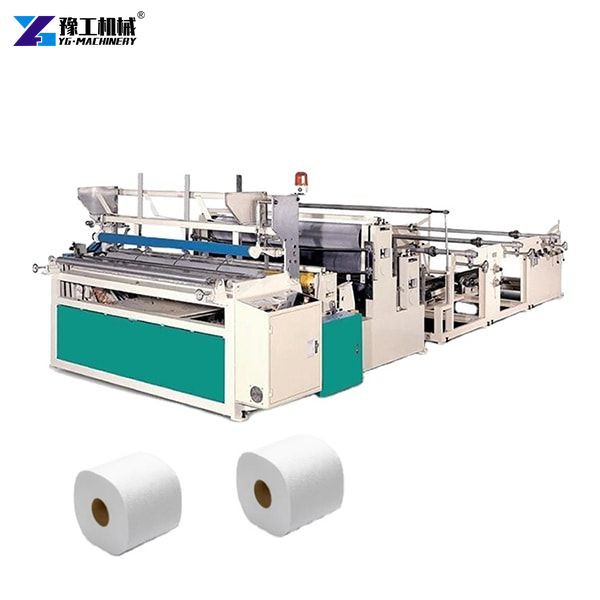
If you're interested in learning more about our Paper Roll Rewinding Machine, Paper Rewinder, or Toilet Paper Rewinding Machine, or if you want to discuss noise reduction solutions for your specific needs, don't hesitate to reach out. We're here to help you find the best solutions for your paper processing requirements.
References
- Industrial Noise Control Handbook
- Machinery Vibration and Noise Reduction Guide


