


Roll To Sheet Cutting Machine
A roll-to-sheet cutting machine, also known as an auto sheeter, is a tool that cuts a roll of material into individual sheets. The machine can be used to cut a variety of materials, including paper, cardboard, EVA foam, PET film, PVC battery film, leather, non-woven fabric, and barley paper.
Description
Why Choose Us
Our Factory
Our factory that is manufacturing for paper product making machine covers an area of up to 2000 square meters. There are nearly about 70 technicians working for machine research, design, manufacturing, and inspecting. They are devoted themselves to equipment industries.
Our Product
Our company provides various paper products making machine for paper cup, paper, paper box, or cartons.
Our Service
We can provide high-quality suitable solution according to the actual situation. If people have specific requirements about the equipment, we can support OEM service for you, like the machine voltage, color and so on.
Main Market
Up to now, we have exported the paper products making machine to more than 60 countries, such as America, Mexico, Canada, Nigeria, Ghana, German, France, United Arab Emirates, Lebanon, Jordan, Australia, Russia, Malaysia, Turkey, Armenia, Israel, Kosovo, etc.

A4 Paper Cutting And Packing Machine
A4 paper cutting and packing machine is applied to cut large rolls of paper or large paper into standard A4 size paper and package the A4 papers to a group at a certain number. High automation, high accuracy, and high production.

Thermal paper cutting machine is specially designed for thermal paper cutting. Thermal papers that are cut are widely used in supermarket cash register receipts, drug labels, barcode labels, logistics labels, catering tickets, and other fields.

PVC paper cutting machine is one type of roll to sheet cutting machine. The equipment can process a jumbo roll of PVC paper to PVC paper sheets, with 20-1200mm cutting length. People can choose the suitable type according to the actual requirements.

Paper roll cutter machine means the equipment to process roll of paper to sheets automatically. The equipment usually is used to cut various rolls of paper to sheets in paper product processing industry, paper printing, and paper packaging industry, etc.

Paper cutting machine A3 size is widely used to cut paper into A3 size. With servo motor to control a certain length cutting, it works high accurately and stably, suitable for a variety of paper or plastic materials.

A4 paper roll cutting machine uses a servo motor for fixed-length cutting and a PLC program-controlled system for centralized control. According to the roll materials in the market, it can cut the paper into A4. Compared with the traditional slitting process, it saves much labor.

Roll to sheet cutting machine is suitable for soft packaging paper 60-500g/m2, such as white cardboard, copper paper, coated paper, paper plastic composite material, self-adhesive material, etc. Equipped with PLC control system, simple to operate, high slitting efficiency, and high accuracy.
A roll-to-sheet cutting machine, also known as an auto sheeter, is a tool that cuts a roll of material into individual sheets. The machine can be used to cut a variety of materials, including paper, cardboard, EVA foam, PET film, PVC battery film, leather, non-woven fabric, and barley paper.
Troubleshooting Your Roll To Sheet Cutting Machine
Our Roll-to-Sheet Cutting Machine aims to streamline your ribbon cutting process. However, occasional glitches can occur. Here's a breakdown of common issues and quick fixes to get your machine back on track
Heat Cutting Issues
Temperature Check: Verify if the current temperature matches your pre-set value on the control panel.
Hot Knife Functionality: Ensure the hot knife heats up properly by referring to the user manual for troubleshooting steps or consulting a qualified technician.
Power Supply Problems
Power Connection: Check for a secure connection between the machine and the power source.
Fuse Replacement: A blown fuse can disrupt power supply. Locate the fuse box (refer to the user manual) and replace it if necessary.
Machine Unresponsiveness
Cylinder Ventilation: If the machine doesn't start, ensure the cylinder's ventilation system is functioning properly. Open the valve if needed.
Sensor Errors: Consult the user manual to identify potential sensor errors and troubleshooting steps.
Cutter Seat Lubrication: Check the sliding sleeve on the cutter seat. Apply lubricant if it appears stuck.
Rotary Knife Sensor Malfunctions
Air Pressure Check: Verify adequate air pressure for proper operation.
Punching Frame Blockage: Ensure the punching frame isn't jammed or obstructed.
Sensor Baffle and Drive Board Fuse: Inspect the rotary knife sensor's baffle for proper alignment and ensure it's not stuck. Additionally, check the drive board's fuse for any damage.
Blank Display
Power and Connection: Examine the transformer output for power or loose electrical connections.
Cutting Length Discrepancies
Roller Tension and Feeding: Adjust the roller tension for a smooth material feed. For improved feeding consistency, consider using a belt conveyor.
Compensation Function: Activate the compensation function on the control panel for precise cutting lengths.
Color Mark Sensor Calibration
For optimal performance of the color mark sensor, follow these steps (refer to the user manual for detailed instructions):
a. Measure and Confirm Trademark Length: Measure the exact length of the trademark on your material.
b. Computer Setting: Enter the measured length into the computer settings on the control panel.
c. Sensor Installation: Fix the sensor on the designated rail and securely connect the socket.
d. Cutting Line Alignment: Align the cutting line on the material with the blade.
e. Light Beam Adjustment: Adjust the light beam to form a clear "1" shape on the sensor.
f. Sensor Calibration: Calibrate the sensor by turning the designated switches on the control panel, focusing the light beam on the background color of the trademark.
Electrical Safety
Always prioritize safety during operation. Ensure you have an electric shock-proof leakage switch installed during machine setup. Additionally, the machine should be properly grounded using a three-pin socket for safe operation.
Material Alarm Notifications
Material Replenishment: Check for depleted material and replace it accordingly.
Material Loading and Pressure Plate: Ensure materials are loaded correctly and the pressure plate is securely in place.
Travel Switch Obstructions: Inspect the travel switch for any obstructions that might be triggering the alarm.
By following these troubleshooting tips and prioritizing regular maintenance, you can ensure your Roll-to-Sheet Cutting Machine operates smoothly and efficiently. Remember, safety is paramount. Always follow the manufacturer's guidelines and prioritize safe operation.
What Are The Different Types Of Roll To Sheet Cutting Machine?


Guillotine Paper Cutter: This is a manual paper cutter that uses a long, sharp blade to cut large stacks of paper at once. It has a flat base and a hinged arm with a blade attached to it, and the arm is raised and lowered to make cuts. Guillotine paper cutters are ideal for cutting heavy-duty paper or cardstock, and they come in various sizes to accommodate different sheet sizes and stack heights.
Rotary Paper Cutter: This type of paper cutter uses a circular blade to cut through sheets of paper. The blade is housed in a sliding carriage that moves along a guide rail, and the paper is held in place by a clamp. Rotary paper cutters are perfect for cutting photographs, laminated sheets, and other materials that require precise cutting. They are available in various sizes and cutting capacities.
Stack Paper Cutter: This type of cutter is similar to a guillotine cutter, but it's automated and can cut through large stacks of paper with minimal effort. Stack paper cutters have a motorized blade that moves up and down to make cuts, and they can handle stacks of paper up to several inches thick. They are ideal for high-volume cutting jobs, such as in print shops or offices.
Laser Paper Cutter: This is an automated paper cutter that uses a laser to cut through sheets of paper. Laser paper cutters are ideal for cutting intricate designs or patterns, and they can also cut through materials such as wood, plastic, or metal. They are commonly used in industries such as advertising, packaging, and signage.
Benefits Of Roll To Sheet Cutting Machine
Increased Efficiency
Paper roll cutting machines have revolutionized the manufacturing process by significantly accelerating cutting speeds compared to traditional manual methods. These machines are engineered to handle large volumes of paper rolls simultaneously, allowing for a much faster turnaround time in production. As a result, businesses can meet increasing demand without sacrificing quality or efficiency. This enhancement in speed not only boosts productivity but also helps in optimizing the overall workflow, enabling companies to maximize their output.
Precision Cutting
One of the standout features of Roll To Sheet Cutting Machine is their ability to deliver precise cuts consistently. These machines utilize advanced technology to ensure that each piece of paper is cut to the exact dimensions specified by the user. This level of accuracy is crucial in reducing material waste and maintaining high standards of quality across products. Moreover, the consistent quality achieved through precision cutting enhances the final product's appearance, making it more appealing to consumers and reducing the likelihood of returns or dissatisfaction.
Reduced Labor Costs
The automation of the Roll To Sheet Cutting Machine leads to a significant reduction in the need for manual labor. With fewer workers required to oversee cutting operations, businesses can allocate their workforce to other areas that may require more attention or expertise. This shift not only lowers labor costs but also increases overall operational efficiency. As employees focus on more strategic tasks, the organization can benefit from a more skilled and engaged workforce, ultimately driving further improvements in productivity.
Consistent Quality
Utilizing paper roll cutting machines guarantees that each cut is uniform, which is especially important for industries that demand high standards in appearance and dimensions. Consistent quality is crucial for maintaining brand integrity and customer satisfaction, as variations in size or quality can lead to customer complaints or returns. This reliability in product quality enhances the overall reputation of a business and helps establish long-term relationships with customers. By ensuring uniformity, companies can confidently market their products, knowing they meet the necessary standards.
Improved Workflow
Integrating Roll To Sheet Cutting Machine into production lines enhances the overall workflow by streamlining various processes from start to finish. These machines can be synchronized with other equipment, allowing for a seamless flow of materials and minimizing delays. This improvement in workflow not only boosts productivity but also reduces bottlenecks that can hinder efficiency. A well-organized production line ensures that products are completed on time, ultimately leading to greater customer satisfaction and loyalty.
Cost-Effectiveness
Although the initial investment in Roll To Sheet Cutting Machine can be substantial, the long-term savings often outweigh these upfront costs. Increased efficiency, reduced waste, and lower labor costs contribute to significant financial benefits over time. Businesses that adopt these machines can expect to see a quick return on investment as productivity increases and waste decreases. This cost-effectiveness makes them a valuable addition to any production facility, providing both immediate and lasting advantages.
Principle Of Roll To Sheet Cutting Machine
The main purpose of the slitting machine is to cut large drum roll into different width of the product, and can check the quality of the product.Its main features are as follows
Coil photoelectric correction with high precision;Control mode is divided into two files: manual and automatic
There are two ways of winding: surface winding and center winding.
Automatic tension control is adopted for winding tension;The control methods include tension feedback control and taper control.
Round cutter shearing and air cutter cutting tools are reliable in quality and convenient in adjustment.
The center of the surface is adopted for rolling, and the quality of rolling is even and stable.
Automatic stop of fixed length and automatic meter counting of length;
Equipped with edge cutting device, the side material is discharged by the fan;
Suitable for cutting narrow band (insulation material, mica tape, film, etc.) of various thin type rolls
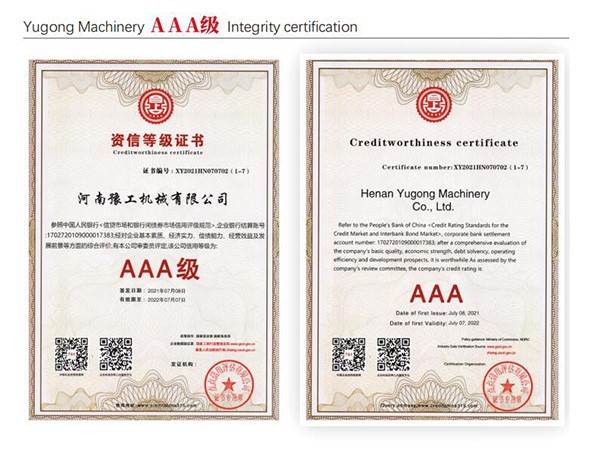
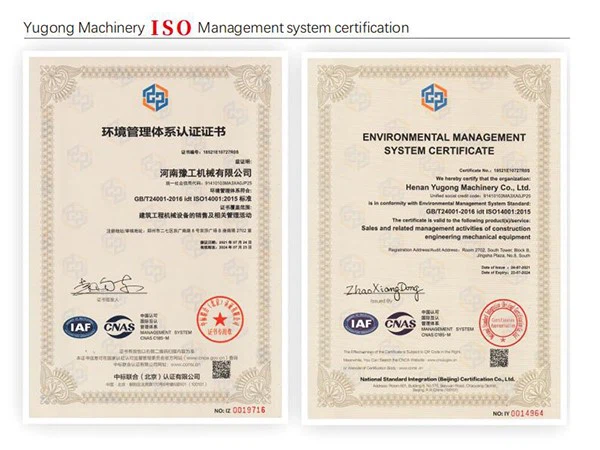
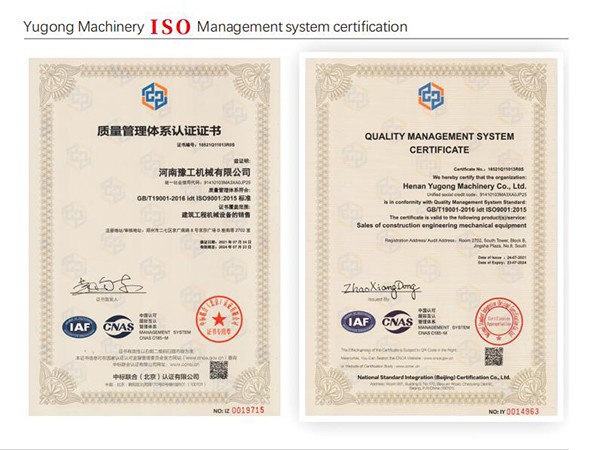
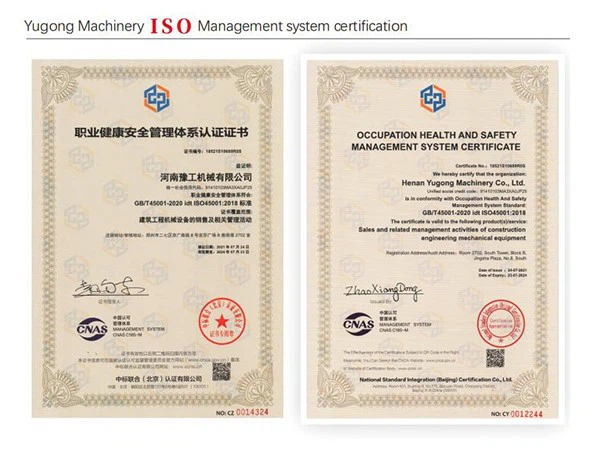
Certifications



Our Factory
There are nearly about 70 technicians working for machine research, design, manufacturing, and inspecting. They are devoted themselves to equipment industries. We pursue to make high-quality, high-performance, and high-efficiency equipment to help more and more customers around the world to start or expand their business.

FAQ
Q: What is a roll-to-sheet cutting machine?
Q: What types of materials can a roll-to-sheet cutting machine handle?
Q: How does a roll-to-sheet cutting machine work?
Q: What are the key components of a roll-to-sheet cutting machine?
Q: Can a roll-to-sheet cutting machine cut materials to custom sizes?
Q: Are there safety features on roll-to-sheet cutting machines?
Q: What is the maximum speed of a roll-to-sheet cutting machine?
Q: How is quality controlled during the roll-to-sheet cutting process?
Q: Can roll-to-sheet cutting machines handle high volume production?
Q: Are there environmental considerations when using a roll-to-sheet cutting machine?
Q: What maintenance is required for a roll-to-sheet cutting machine?
Q: Is training needed to operate a roll-to-sheet cutting machine?
Q: How can roll-to-sheet cutting machines improve efficiency in a manufacturing process?
Q: What is the difference between a shear cutting and a score cutting in a roll-to-sheet machine?
Q: Can a roll-to-sheet cutting machine cut irregular shapes?
Q: What is the cost of a roll-to-sheet cutting machine?
Q: Are there used roll-to-sheet cutting machines available on the market?
Q: How does a roll-to-sheet cutting machine work with digital printing technology?
Q: Can roll-to-sheet cutting machines be retrofitted with new technologies?
Q: Where can I find spare parts for a roll-to-sheet cutting machine?
Hot Tags: roll to sheet cutting machine, China roll to sheet cutting machine manufacturers, suppliers, factory, paper cup punching machine, high speed paper cup making machine, slitter rewinder, 4 color flexo printing machine, paper cutting machine a3 size, paper making machine
Send Inquiry
You Might Also Like


